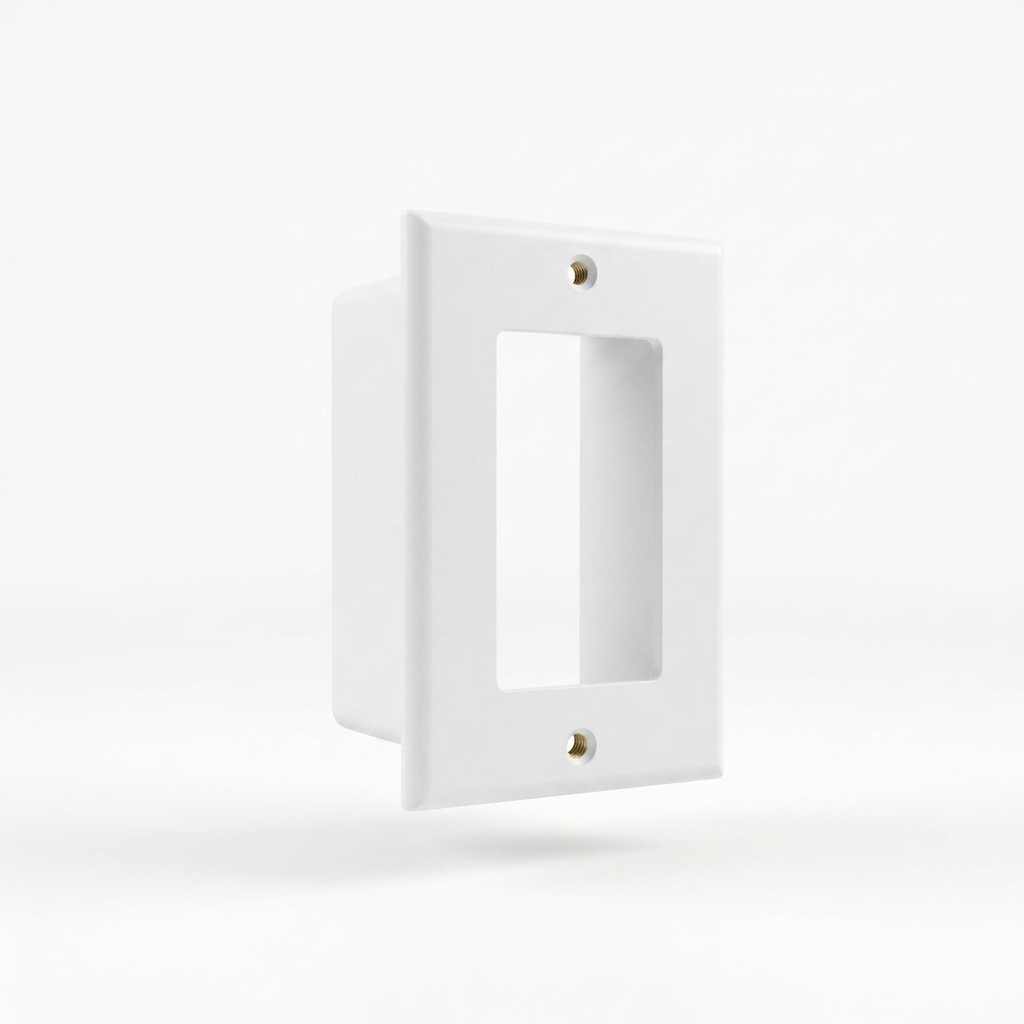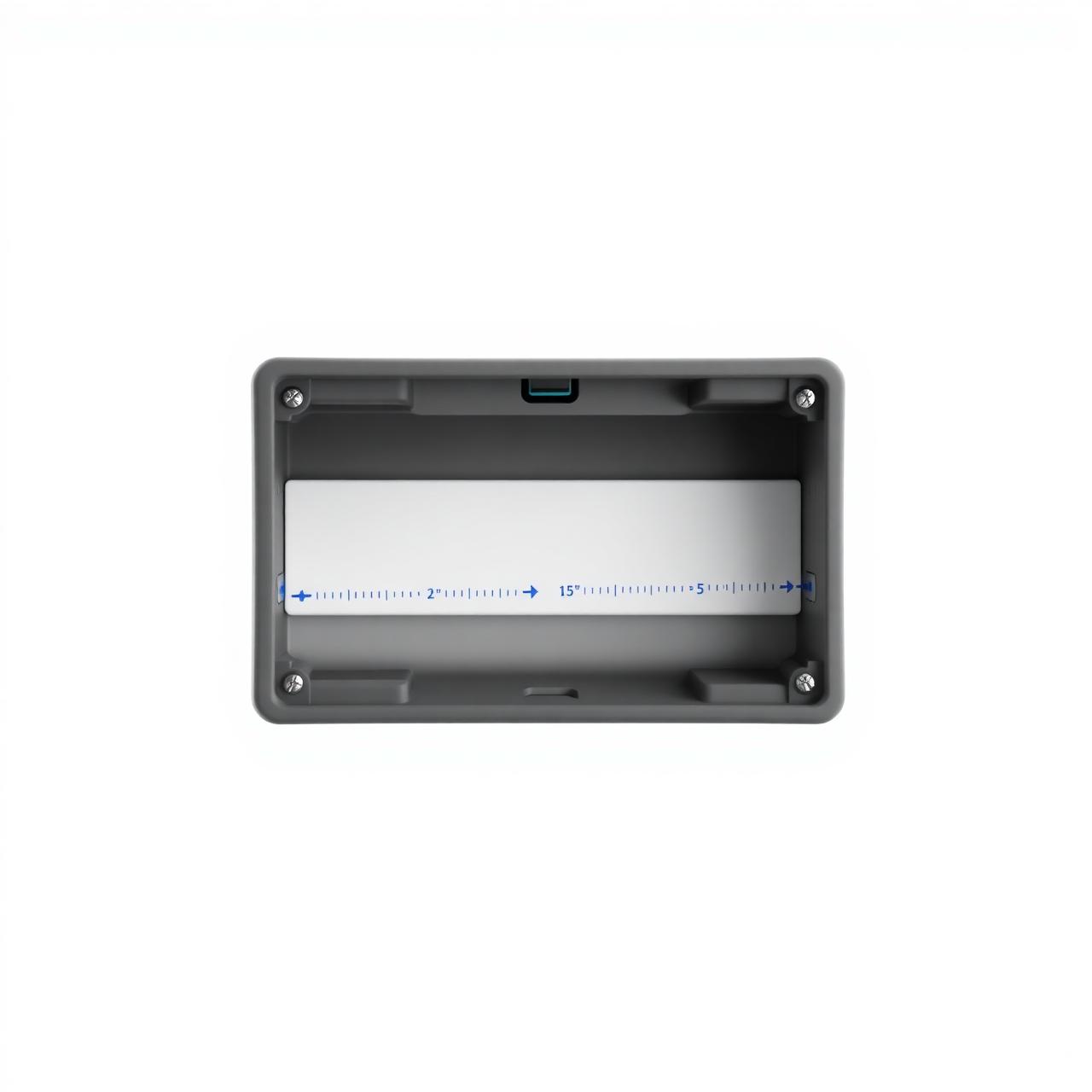
Patent pending · Robot-ready electrical system

The first electrical system built for robots — and humans.

Install boxes faster, eliminate drywall dust, and never lose an outlet again. AFES™ conceals every box, then opens it back up with surgical precision.
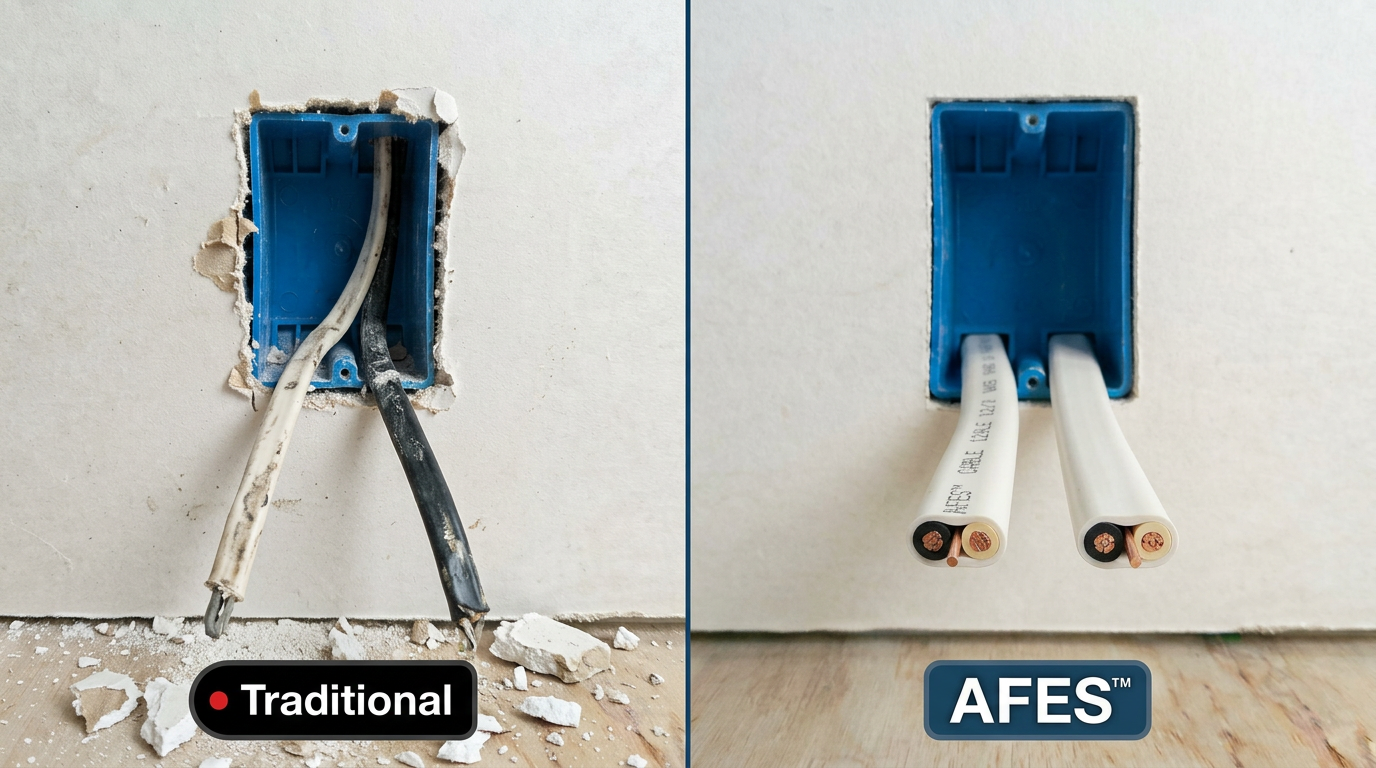
Comparison: messy rotozip cutout versus clean AFES punch system
Traditional
AFES™

The problem

Construction has a blind spot.

The way we install electrical boxes hasn't changed in decades. Every wall hides the same problems — and none of them are ready for what comes next.
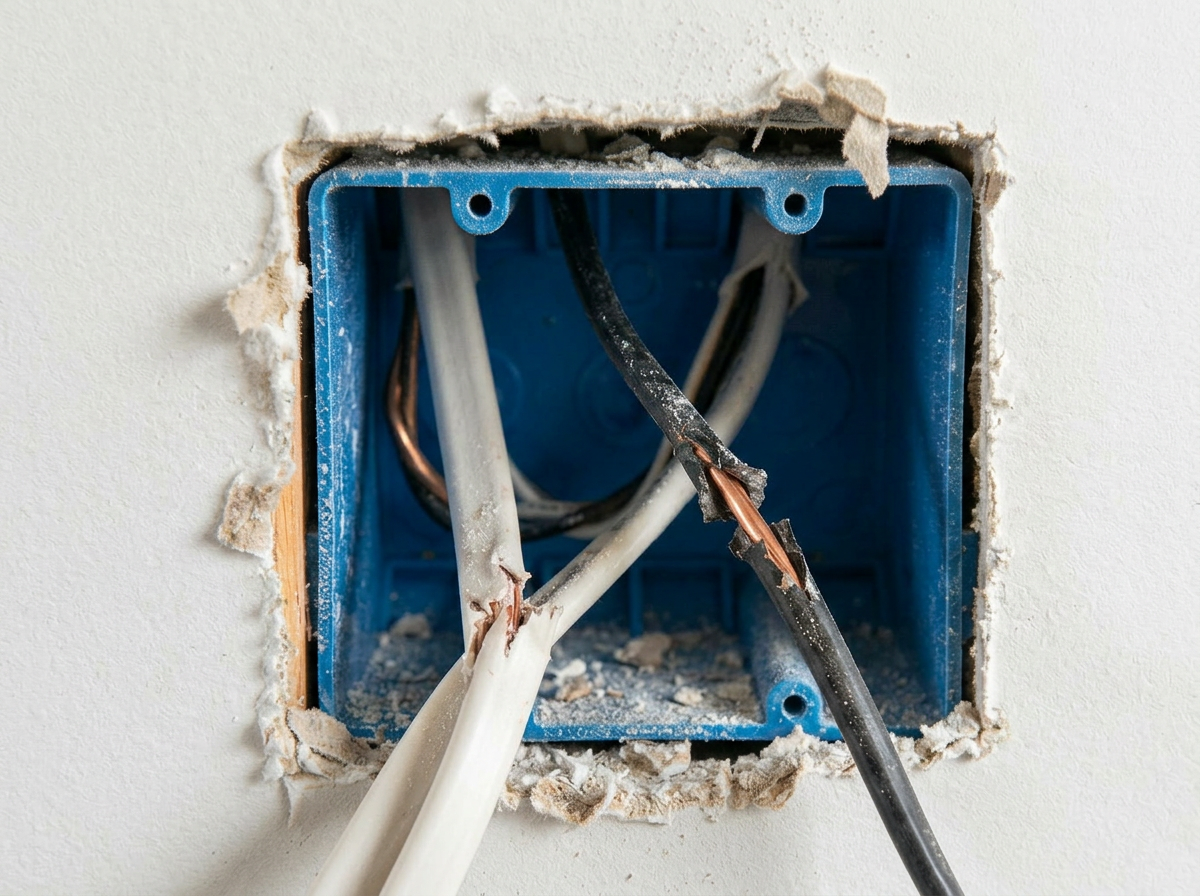
Buried boxes
Outlets get hidden behind drywall and lost on every job.
Dust & damage
Rotozip cutting kicks up silica dust and tears the rock.
Costly rework
Missed boxes mean callbacks, patches, and lost time.
Not robot-ready
Nothing in the wall today is designed for automation.
Electrician searching for a buried electrical box behind drywall

Field reality

Every jobsite has this problem.

Buried boxes, blown-out openings, and drywall dust are not edge cases — they are normal jobsite waste.
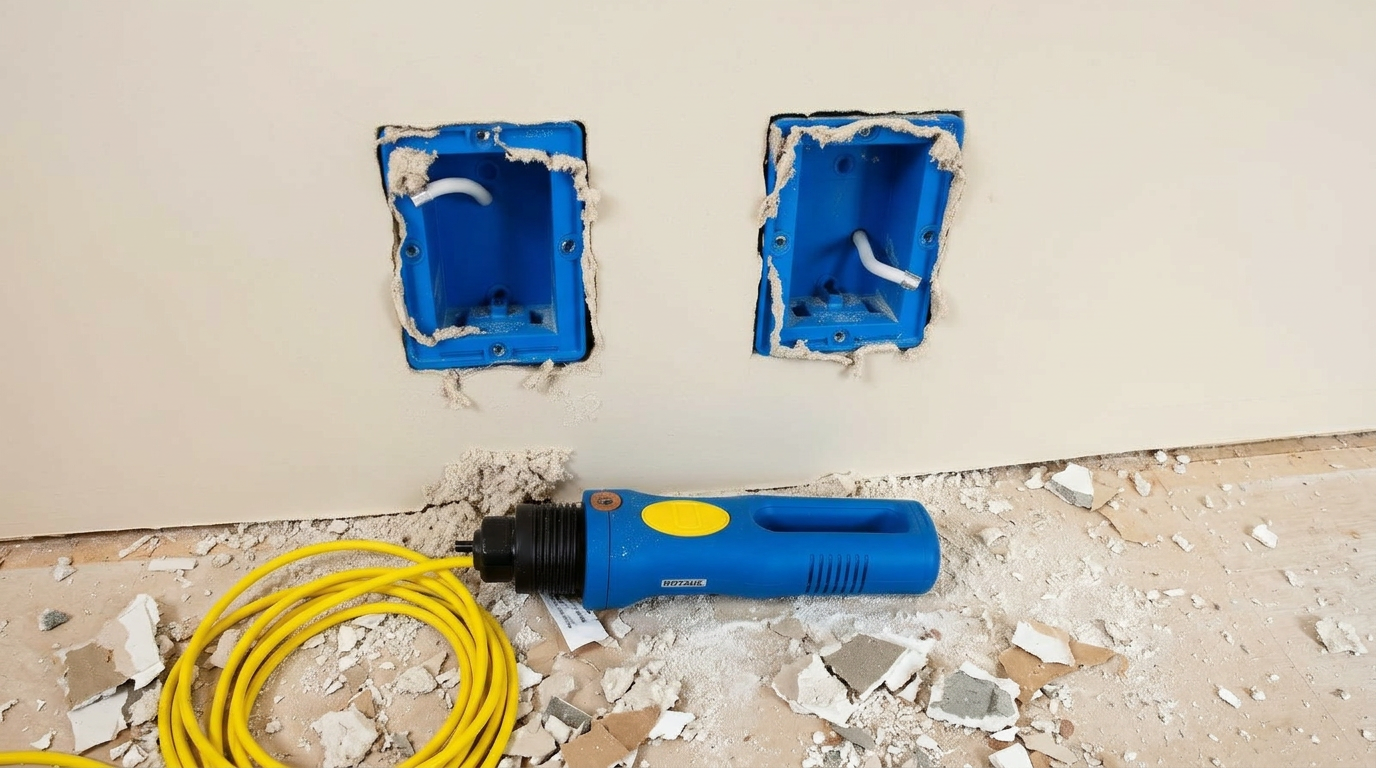
Jobsite drywall with rough rotozip cutouts around US single-gang outlet boxes
  • Buried Boxes

    Boxes get missed, covered, or buried behind drywall.

    01
  • Oversized Cutouts

    Rotozip and hand cuts often leave rough openings that are hard to hide.

    02
  • Dust Everywhere

    Drywall routing throws fine gypsum dust across the work area.

    03
  • Rework & Callbacks

    Every missed opening costs time, money, and trade coordination.

    04

The breakthrough

Meet AFES™.

A complete electrical rough-in system that lets drywall go up first. Openings are then created precisely — by hand, or by robot — exactly where they need to be.

  • Concealed install

    Boxes go in flush. Drywall hangs over them, clean.

    01
  • Locator-guided

    Magnetic + RFID detection finds every box, every time.

    02
  • Precision cutout

    Punch tools open clean holes — no dust, no chatter.

    03
  • Adjustable depth

    Slide forward or snap a collar for 1/2" or 5/8" rock.

    04
  • Fire-ready

    Built-in intumescent seal for rated assemblies.

    05

Technology

Patent-pending system architecture.

AFES™ combines concealed rough-in hardware, detectable alignment targets, a clean punch opening, and a compliant final enclosure interface.

Module 01

Detectable Box

  • Plastic rough-in box
  • Embedded top/bottom locator targets
  • Magnetic, inductive, or RFID-ready detection
Module 02

Precision Opening

  • Robot or handheld punch alignment
  • Four-sided blade path
  • Depth stop and debris capture
Module 03

Adjustable Enclosure

  • Sliding box mechanism
  • 1/2" and 5/8" drywall lock positions
  • Snap-lock collar option
Module 04

Fire / Seal Interface

  • Collar extender
  • Gasket compression
  • Intumescent-ready groove
  • Final flush enclosure plane

Patent drawing concepts

How the system is drawn.

Concept figures illustrating the AFES™ architecture. Numbered callouts reference elements claimed in the pending application.
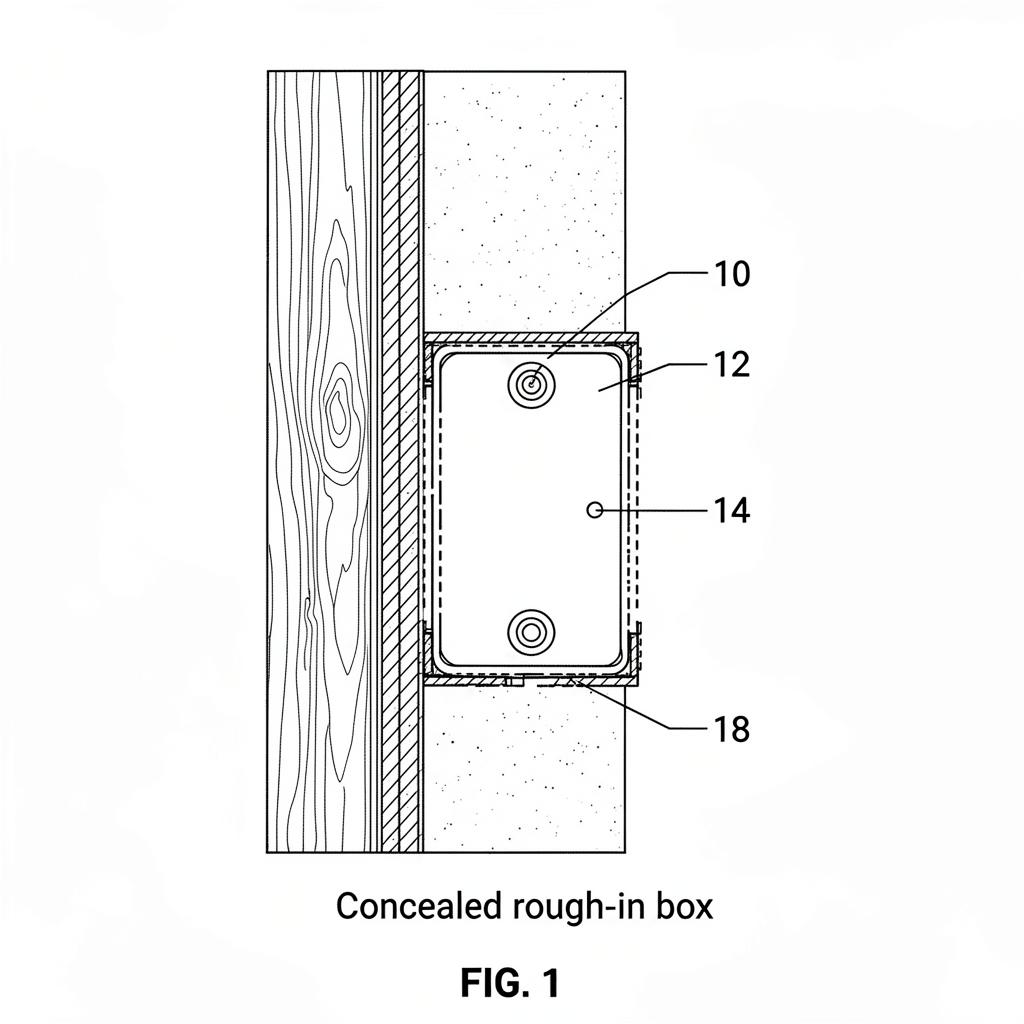
FIG. 1 — Concealed rough-in box, patent figure concept
FIG. 1

Concealed rough-in box

Stud, drywall, concealed box, and locator points behind the wall.
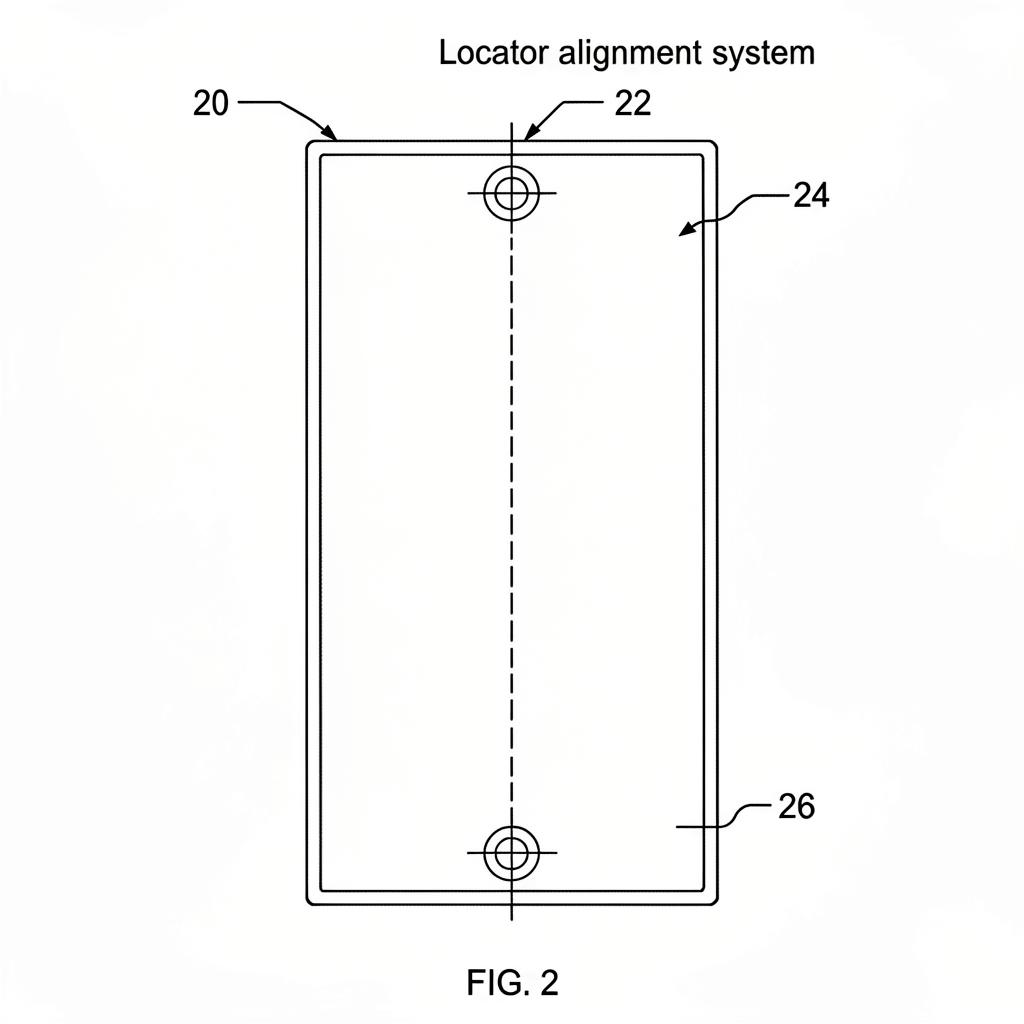
FIG. 2 — Locator alignment system, patent figure concept
FIG. 2

Locator alignment system

Top and bottom dead-center targets define the box centerline.
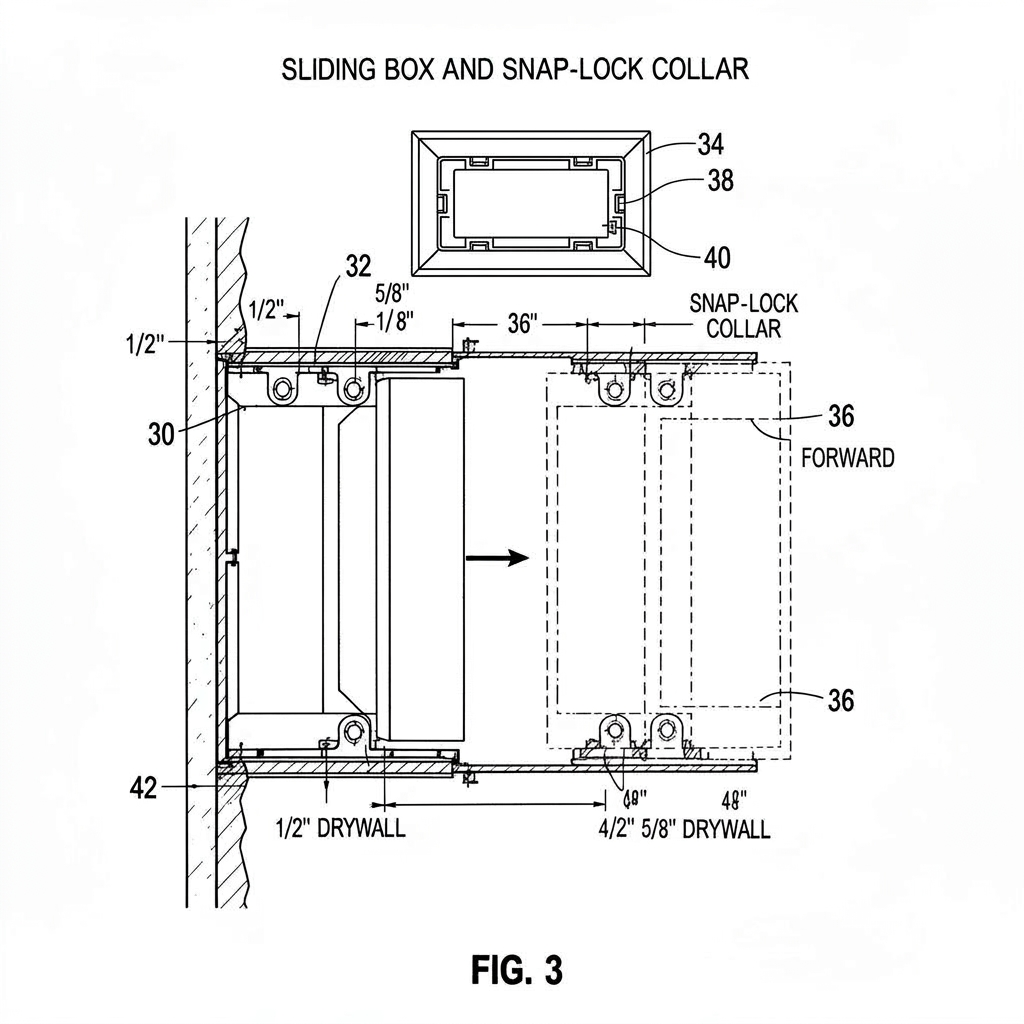
FIG. 3 — Sliding box + collar, patent figure concept
FIG. 3

Sliding box + collar

Recessed and forward positions, with snap-lock collar for 1/2" and 5/8".
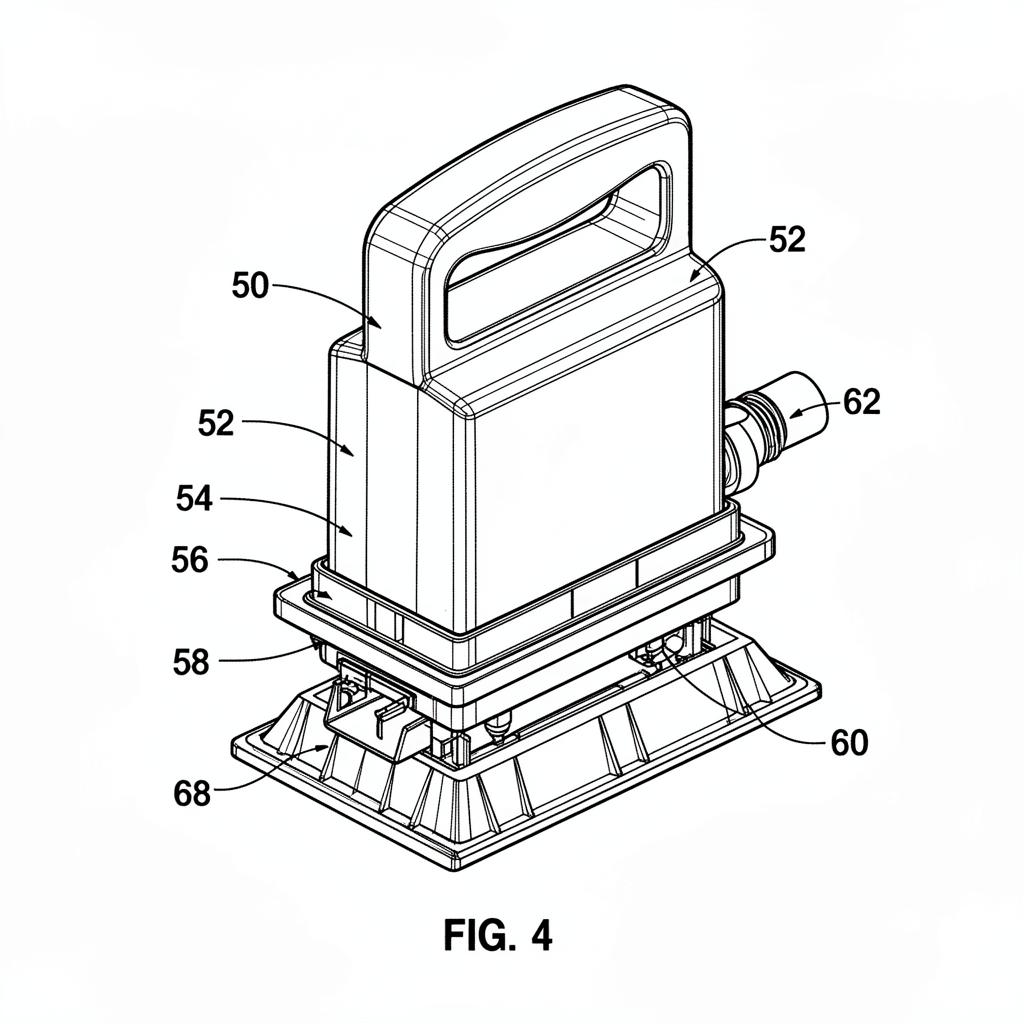
FIG. 4 — Punch tool, patent figure concept
FIG. 4

Punch tool

Four-blade path, depth stop, and vacuum debris skirt.

Conceptual figures for illustration. Patent pending.

How it works

Five steps. Zero guesswork.

See full demo
  1. 1

    Rough-In

    Boxes installed flush with studs.

  2. 2

    Cover

    Drywall installed over boxes — no cutouts.

  3. 3

    Detect

    Locator system finds the exact position.

  4. 4

    Open

    Robot or handheld tool creates a clean opening.

  5. 5

    Finish

    Box slides forward, or collar snaps in.

In motion

Watch it happen.

AFES™ turns a messy field operation into a controlled, repeatable process.
See full demo
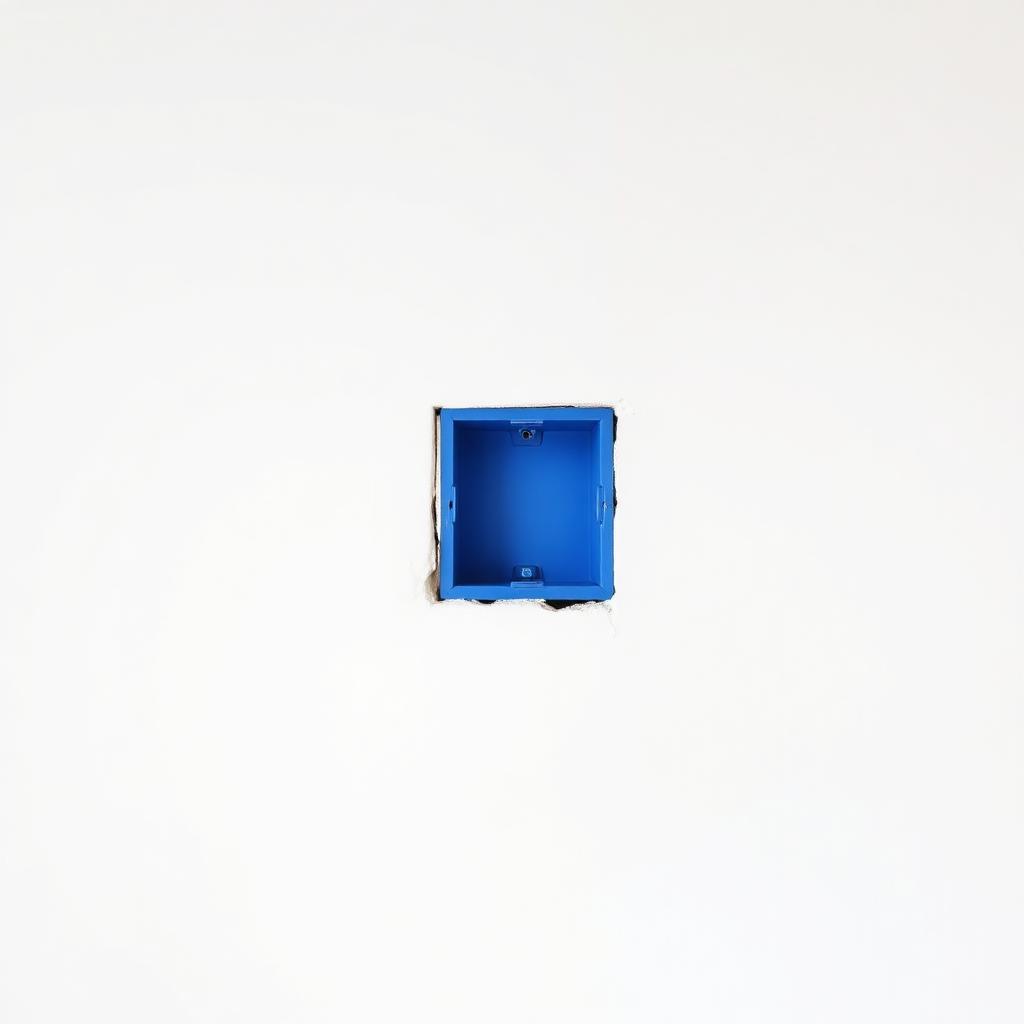
  1. CoverStep 01

    Cover

    Drywall is installed continuously over the mapped box.
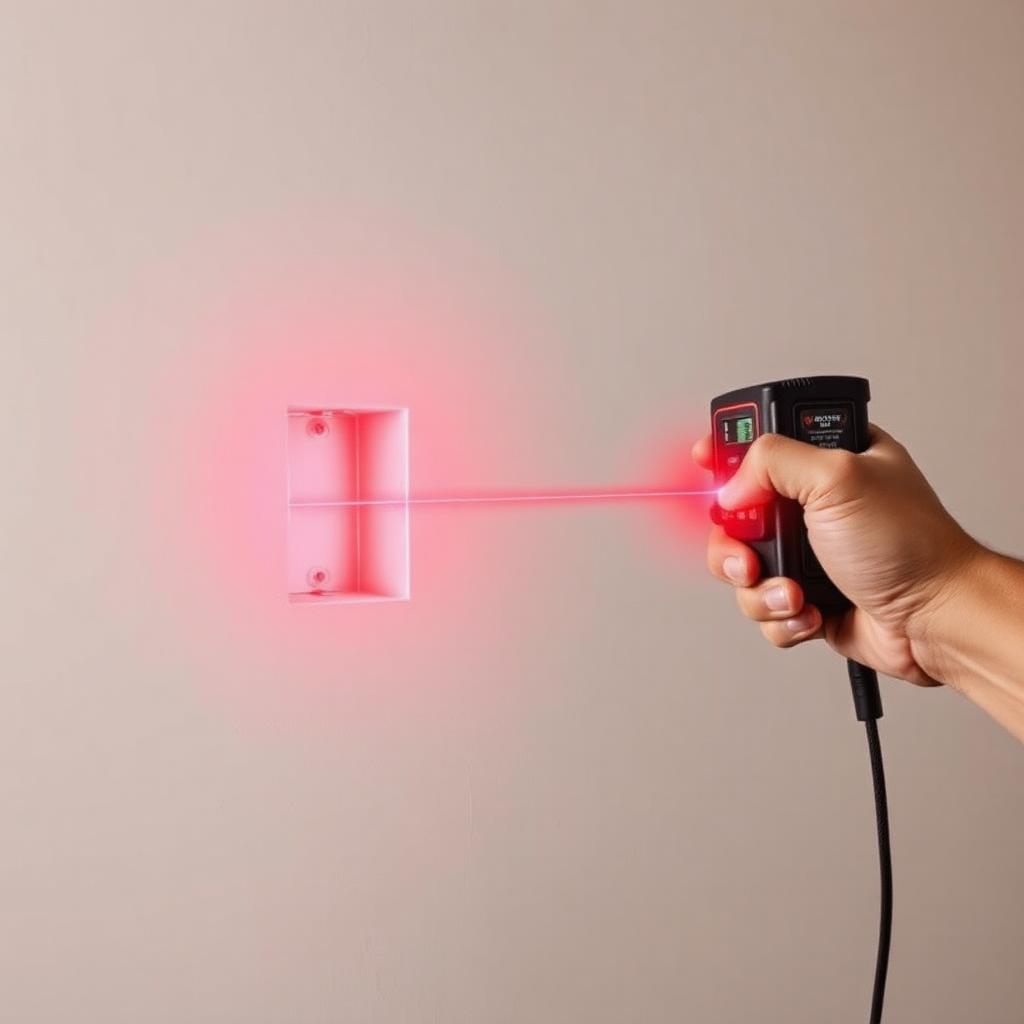
  2. DetectStep 02

    Detect

    Embedded locator targets identify the exact centerline.
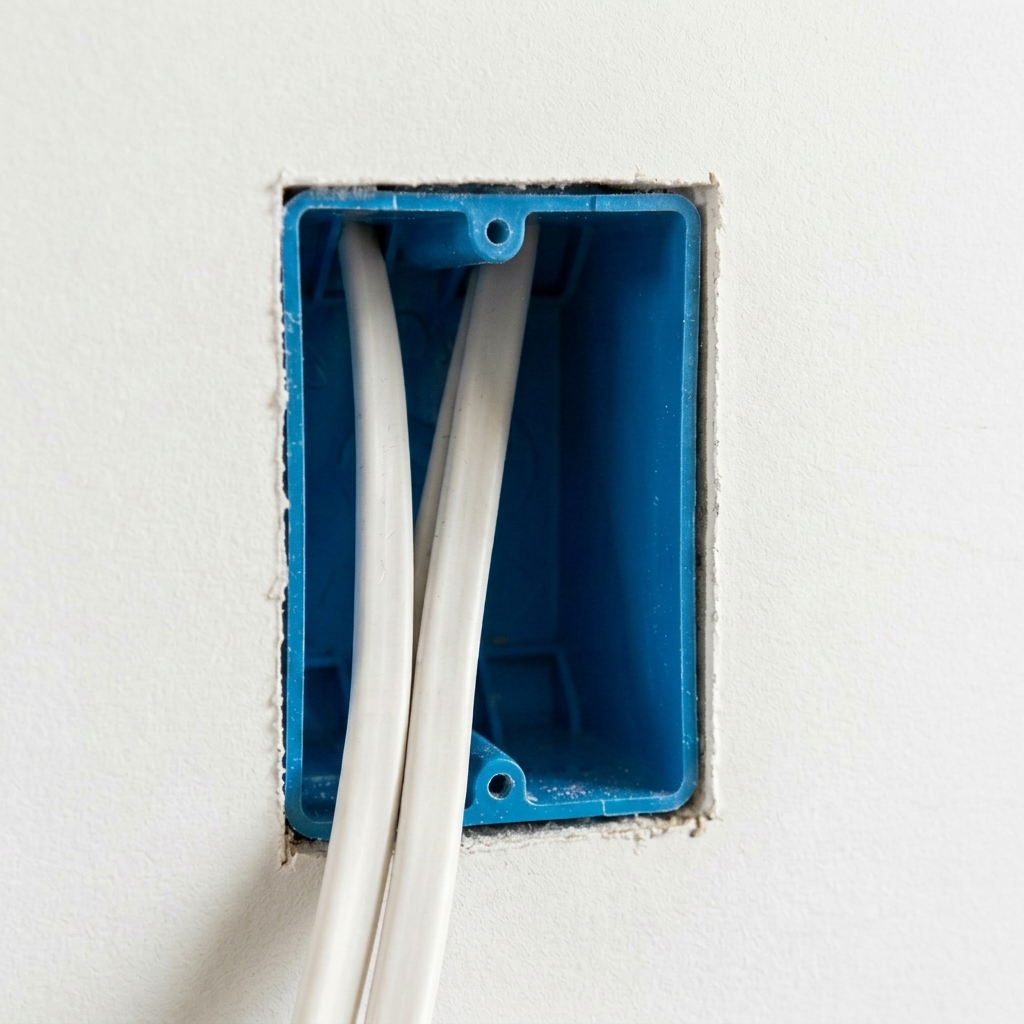
  3. OpenStep 03

    Open

    A robot or handheld punch creates a clean opening with minimal dust.

Demo

See AFES™ in action

From buried box to perfect opening in seconds.

AFES demo

From buried box to perfect opening in seconds.

Drywall covers boxLocator finds itClean punch opens it
Step 01 · Drywall covers box

Know someone who needs this?

One link could save a crew hours every week.

Forward this to your electrician

"Hey — saw this new system that eliminates drywall cutting for electrical boxes. Thought you'd want to see it."

Early demand

Momentum is building.

120+
Early access signups
18
Demo requests
340+
Shares

Product modules

One system. Four parts. Engineered together.

Sliding Electrical BoxModule 01

Sliding Electrical Box

  • Adjustable depth
  • Lock positions (1/2", 5/8")
  • Built-in locator system
Snap-Lock Fire CollarModule 02

Snap-Lock Fire Collar

  • Flush extension
  • Air + smoke seal
  • Fire-rated ready
Locator SystemModule 03

Locator System

  • Magnetic detection
  • RFID-ready
  • Robot compatible
Punch Tool SystemModule 04 · Coming

Punch Tool System

  • Dust-free cutting
  • Precision alignment
  • Robot or handheld

Why it matters

Real outcomes on every wall.

faster rough-in

Speed

Faster installs, fewer callbacks.

0

rotozip dust

Clean

Eliminate drywall dust.

100%

box recovery

Accurate

Never miss a box again.

AI

robot native

Future-ready

Built for robotics and automation.

Who it's for

One platform. Every trade in the wall.

AFES™ is engineered to drop into existing workflows today, and integrate with the autonomous tools of tomorrow.
  • Electricians
  • Builders
  • Drywall crews
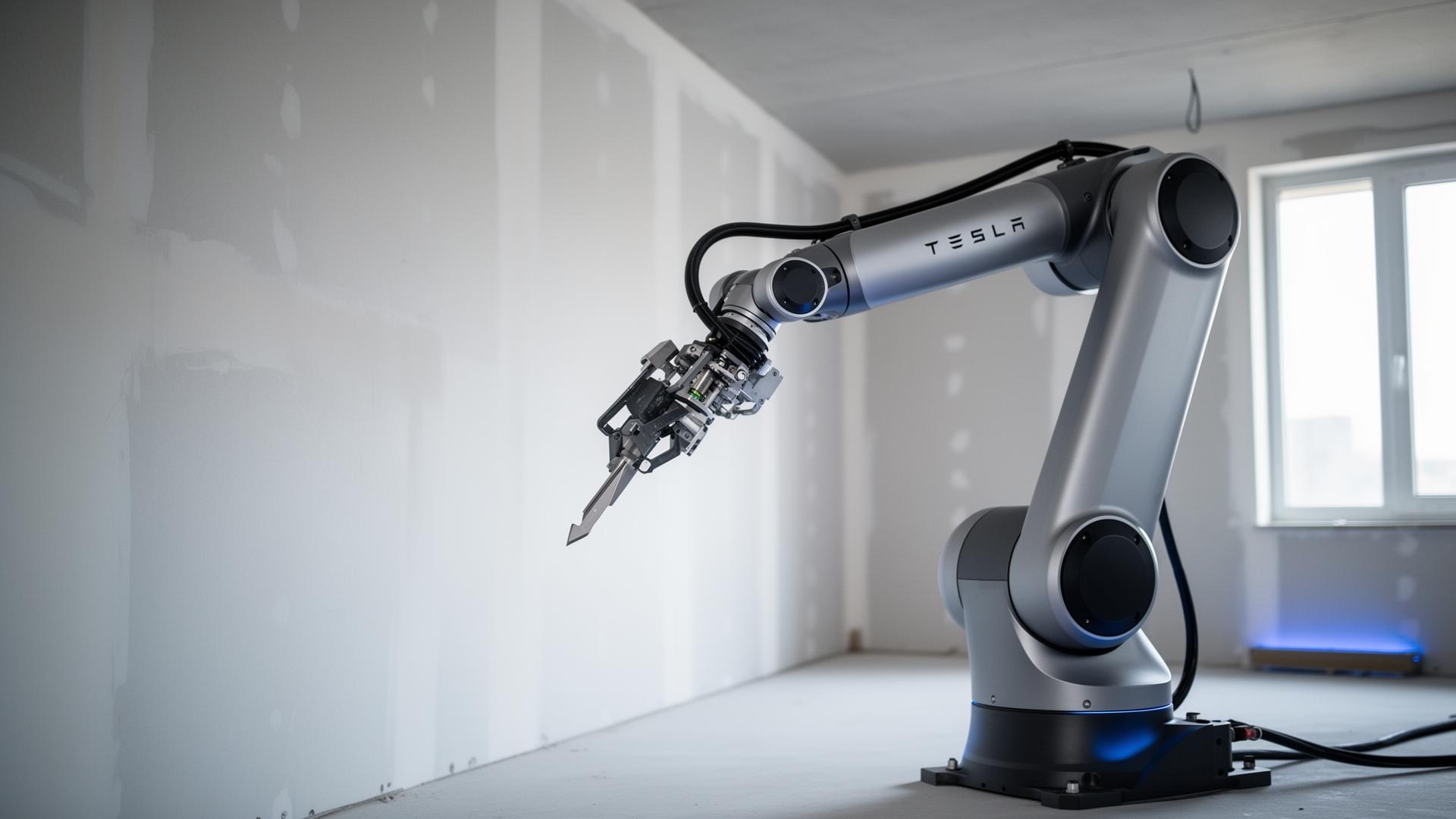
  • Robotics companies
  • Modular & prefab
Construction robot arm approaching a drywall installation

Compare

Traditional vs AFES™

Category
Traditional
AFES™
Cutting
Manual rotozip
Precision punch
Dust
High
Minimal
Accuracy
Low
Sub-millimeter
Rework
Common
Rare
Robotics
Not supported
Native

The edge

Why AFES™ wins.

Built for Humans

Works with handheld detection and punch tools before robots are common on jobsites.

Built for Robots

Locator targets, mapped coordinates, and repeatable geometry make the wall robot-ready.

Built for Speed

Less dust, fewer missed boxes, cleaner openings, and faster finish work.

What we're building

A new construction standard.

AFES™ is not just a product — it is a platform for how electrical systems will be installed in the age of automation.

Roadmap

Where we're headed.

  1. Phase 1

    Prototype + pilot installs

    Field-test with electricians and builders on real jobsites.

  2. Phase 2

    UL testing + certification

    Achieve code compliance and safety listings for production use.

  3. Phase 3

    Tooling + manufacturing

    Scale production of boxes, locators, and punch tools.

  4. Phase 4

    Robotics integration

    Open API and targets for autonomous drywall and finishing systems.

Build proof

What's actually built — and what's next.

Status

Current prototype status

  • CAD models complete (sliding box + collar system)
  • 3D-printed prototypes in development
  • Drywall test rigs being prepared
  • Locator detection system validated (magnetic targets)

Initial mechanical validation underway.

Validated

What we've already proven

  • Boxes can be concealed behind drywall
  • Locator targets can be detected through drywall
  • Clean openings can be created without rotozip routing
  • Final enclosure can be restored using collar or sliding box
Next up

What we're testing next

  • Sliding mechanism durability
  • Collar snap-fit retention
  • Device mounting rigidity
  • Air and smoke sealing performance

Built for real jobsites.

  • Standard 2x4 framing
  • Standard US electrical boxes
  • Standard drywall thickness
  • No change to wiring practices

Prototype roadmap

From bench to jobsite.

  1. 1
    3D-printed collar + sliding box prototype
  2. 2
    Drywall mockup testing
  3. 3
    Locator target accuracy testing
  4. 4
    Manual punch jig prototype
  5. 5
    Electrician / code review
  6. 6
    UL / listing pathway review

Reality check

Designed around real jobsite and code constraints.

  • NEC final flush condition

  • 1/2" and 5/8" drywall compatibility

  • American single-gang / Decora geometry

  • Manual first, robot-ready later

  • UL / fire-rated pathway via listed collar/extender

AFES™ is being designed toward code-compliant final conditions. Any production line-voltage version will require appropriate listing, testing, and professional code review.

Field test

Looking for pilot job sites.

We are looking for electricians and builders interested in testing AFES™ in real environments.

Early-stage opportunity — prototype and pilot phase

Back the future of construction.

AFES™ is building the first electrical system designed for automation, precision, and scale.

Market

$100B+ global construction market

Problem

Every wall, every jobsite, same inefficiencies

Timing

Robotics and automation are entering construction now

Why now

The window is open.

  • Labor shortages in construction
  • Robotics entering job sites
  • Demand for faster builds
  • Prefab and modular growth
Investor access

Request investor deck

Limited early conversations underway.

Interested in pilot programs:
  • Electricians
  • Builders
  • Robotics teams
Live walkthrough

Request a live demo

See AFES™ on your jobsite or over a screenshare. We'll walk through the workflow and answer hard questions.

Early access

Want to try it first?

We are preparing limited pilot kits for electricians, builders, prefab teams, and construction robotics companies.

  • Electrician
  • Builder / GC
  • Drywall Contractor
  • Prefab / Modular
  • Robotics Company
  • Investor

Patent pending · No spam, just updates.